Chemical & Physical Peptide Analysis
Peptide Purity Guide 98%, 99% & Research-grade Described Prg
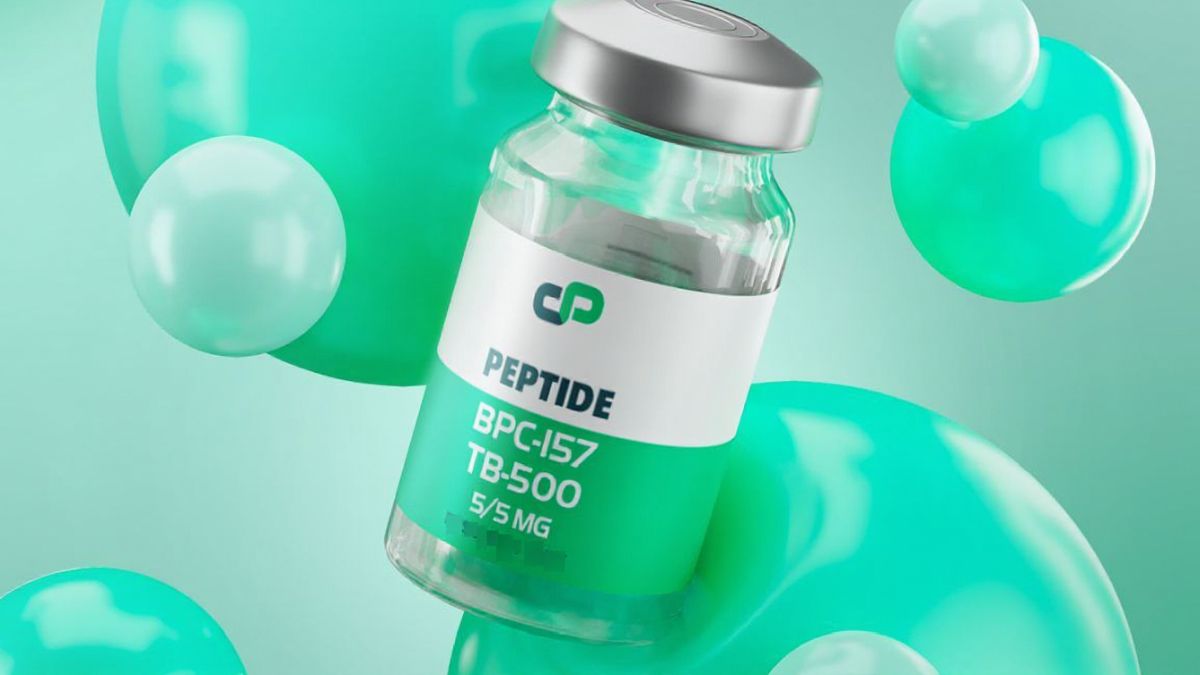
How To Read Peptide Screening Outcomes
- Crystallographers in particular typically require ≥ 98% pureness due to the fact that also minor pollutants can prevent crystal formation or present problem right into the crystal lattice.
- Reliable peptide vendors constantly mark their products by doing this and give high quality records with HPLC and MS data to support the purity degree.
- We make use of dialysis, ultrafiltration integrated with HPLC/UV approaches to medically review encapsulation performance and medicine loading.
- Hydrophobic peptides, highly standard sequences, modified constructs, and carefully related analogs can be assessed with technique adjustments matched to their analytical threats.
- This quality suits the majority of in vitro research applications-- receptor binding assays, enzyme task researches, and cell culture experiments.
If you have actually ever searched a peptide directory, you've seen purity numbers almost everywhere. These numbers get thrown around so typically that it's simple to play down them-- just one more spec on a product web page. Chameleon Peptides offers research study substances solely for lab and logical purposes. All PRG items are intended specifically for in vitro research study or further manufacturing usage. Using a very cleansed peptide lowers these threats and enhances the integrity of your data.
Types Of Pollutants Hplc Identifies
Keeping a high degree of pureness is essential since impurities can influence bioassays or reactions. As an example, truncated peptides or chemically modified side-products might bind to targets or generate negative effects that amaze your results. Specifically customized peptides or cyclic peptide sequences are hard to validate, which impacts quality Click for info control. We integrate LC-MS/MS and chemical digestion analysis to precisely validate the sequence and alteration sites of non-natural customized peptides. Residual natural solvents, metal ions, or by-products from synthesis may trigger hazardous negative effects.
Tests can be performed utilizing high-precision stablizing chambers, mimicing various environments, and applying worldwide requirements to study short-term and lasting stability, vital for regular peptide efficiency. Some peptides stop working not due to the fact that the sequence is wrong, however because their physical habits in actual solvents is poorly recognized. We give physical home testing that helps teams function more effectively with tough examples. Mass spectrometry confirms whether the measured mass matches the expected peptide mass. The chromatogram is the most essential aesthetic information component on an HPLC peptide examination record. It is a chart with time on the straight axis and detector reaction, generally UV absorbance, on the upright axis.