Understanding Peptide Purity Screening
Peptide Testing: Hplc & Mass Specification Purity Guide Pinnacle
The buddy page on why 99 percent Laboratory Research pureness issues discusses why small contamination percentages can still matter in delicate in-vitro assays. Along with this peptide testing guide, those web pages create the trust-methodology layer behind the product magazine. Peptide testing is powerful, yet scientists ought to review the scope of each method thoroughly.Peptide High Quality Testing Platform From Boc Scientific Researches
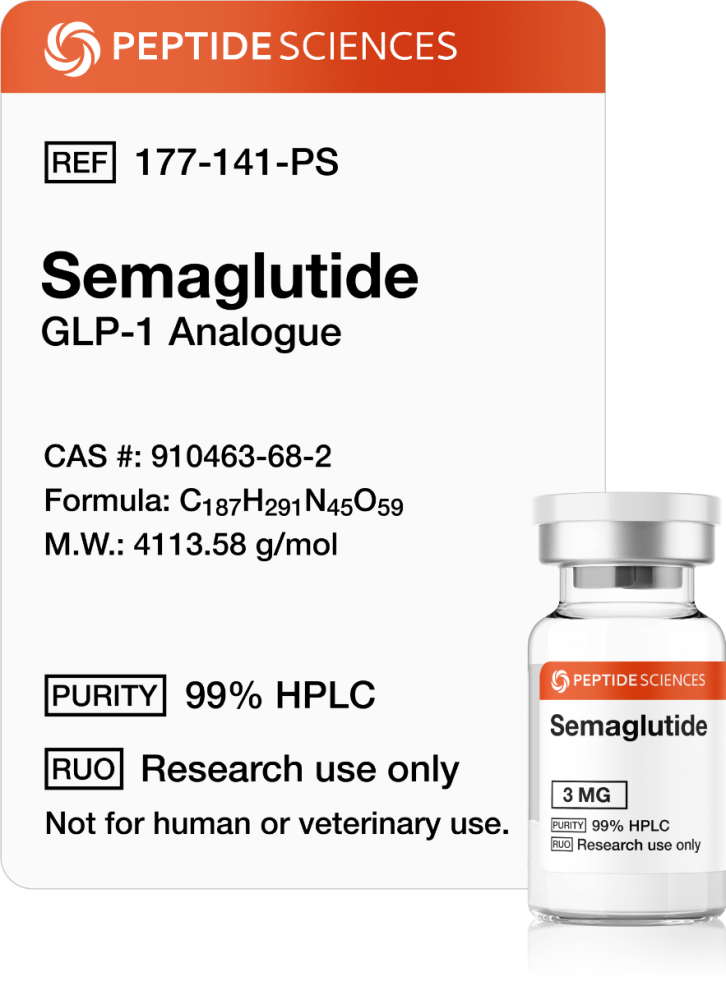
- Products are for in-vitro laboratory research usage only and are not for human consumption.
- If you have actually ever before obtained a synthetic peptide for a lab experiment, you've most likely observed a pureness percentage on the certification of analysis-- normally worths like 95%, 98%, or even 99%.
- Ensuring that each batch undertakes correct lab screening assists validate the peptide's authenticity and purity, which is important for both research study validity and security.
- We can give specialist peptide pureness determination solutions using logical reversed-phase HPLC paired with mass spectrometry.
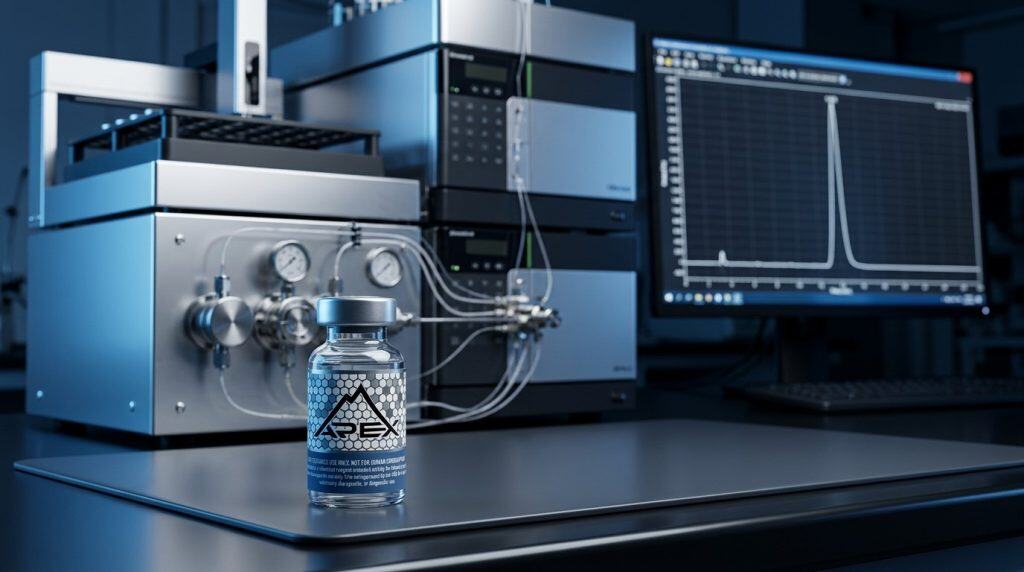
As the portion of natural solvent slowly increases throughout the run, molecules are released from the column in order of their hydrophobicity-- the a lot more hydrophobic a peptide, the longer it takes to elute (wash off). Since contaminations generally differ from the target peptide by at least one amino acid, they have a little different hydrophobicities and appear as different optimals on the chromatogram. The bottom line is not to perplex purity (HPLC percent of the main peptide vs impurities) with total content. For speculative planning (like determining molar focus), both purity and web web content work numbers, but pureness is what shows the chemical homogeneity of the peptide example.
It's feasible to have a peptide that is, claim, 95% pure by HPLC and yet the internet peptide content is something like 70% of the powder's weight (the remainder being water and salts). Check out here Don't be startled-- this is typical and is typically figured out by different evaluations (like amino acid analysis). Peptide purity is most frequently established by high-performance fluid chromatography (HPLC) with a discovery wavelength of 220 nm, which is ideal for detecting peptide bonds. This approach separates peptides from contaminations and measures both target peptides and pollutants, guaranteeing high-grade examples for research.Peptide Purity Analysis Service
Not every application needs 99% purity, and purification is a considerable component of peptide production cost. Trace quantities of solvents utilized during synthesis and filtration-- acetonitrile, dimethylformamide (DMF), dichloromethane-- can remain in the final product. These are usually existing at very low degrees in appropriately manufactured peptides and are regulated by ICH Q3C guidelines for acceptable restrictions. If the target peptide's height accounts for 99.1% of the complete optimal area, the peptide is reported as 99.1% pure by HPLC. Lots of credible study peptide vendors use third-party laboratories; some conduct in-house screening with publication of laboratory credentials.BOC Sciences offers multi-batch contrast analysis to help clients establish resources top quality standards and make certain uniformity. Recurring non-peptide components can alter assay analysis, misshape peptide material calculations, and make complex whole lot credentials. We sustain targeted evaluation of appropriate residuals based on the task and sample background.
A solid examination report can sustain purity, identity, and batch traceability. It does not turn a research study compound into a medical product, and it does not change speculative validation in the researcher's own system. Peptide pureness isn't just a number on a tag-- it's a window into the high quality of the artificial process and a forecaster of just how reliable your research study results will certainly be. At Principles Analytics, we provide specialized peptide screening and quantitation solutions to support research study, pharmaceutical, and nutraceutical applications. Our lab makes use of cutting edge instrumentation and validated methodologies to guarantee accurate, reproducible data throughout even the most complex peptide matrices. William is a research expert at Peptides Laboratory UK, specialising in research study peptides, lab compounds, and sourcing standards for high-purity peptide items.